Friday, April 19, 2013
BIDI ACTION TEAMS GEARED FOR ELECTORAL CHARTER
Following a Habakkuk Trust Community Advocacy Action Team meeting held at Matobo ward 8 yesterday, the ward action team and local leadership are now set for the finalization and subsequent presentation of the community electoral charter.
Speaking to Habakkuk Trust Information Department after the meeting, the Acting Headman Mr Simon Ndiweni narrated that ‘today’s meeting was an excellent one as we come up with something new in this community and the District at large. These electoral charter am confident will change the way we handle our electoral politics and our development agenda from now on’
The headman further explained that lack of clarity on issues, focused agendas and developmental vision has been the cause for electoral violence in the area and the country as a whole. ‘You see the main cause of electoral violence in this country is that we just put everyone and anyone to be a candidate. Some of the people when they see that they have nothing tangible to offer the electorate then they hire youths to intimidate and threaten political opponents. With these charters, am seeing politicians dancing to the tune of the electorate and this will minimize violence.’
Mr Ndiweni further called on Habakkuk to roll this concept to many areas of Zimbabwe and as well conduct trainings for the youths and the candidates so that they avoid violence.
His sentiments were also echoed by Action Team Vice Convenor Mrs Tendayi Ndebele who said that ‘voting in peace is everyone’s duty. As an action team we are now challenged by this electoral charter and though we came up with some draft input today, we shall consult more and ensure that it is more detailed so that we create a new legacy for our children and our grand children.’
The formation of electoral charters is part of Habakkuk Trust’s programming meant to enhance peaceful citizen participation in key decision making processes. Specifically driven by Action Teams, this programme will entail the formulation of electoral citizen charters that will be accented to by community leaders and election candidates. Action Teams have also called for the programme to facilitate joint rallies where candidates will answer the communities on key developmental issues affecting the citizens.


Wednesday, March 20, 2013
MANY LOSE OPPORTUNITY TO SHAPE ZIMBABWE’S DEMOCRATIC FUTURE
Thursday, March 14, 2013
DEVOLUTION OF POWER TOPS CONSTITUTION STUDY CIRCLES


Sunday, March 10, 2013
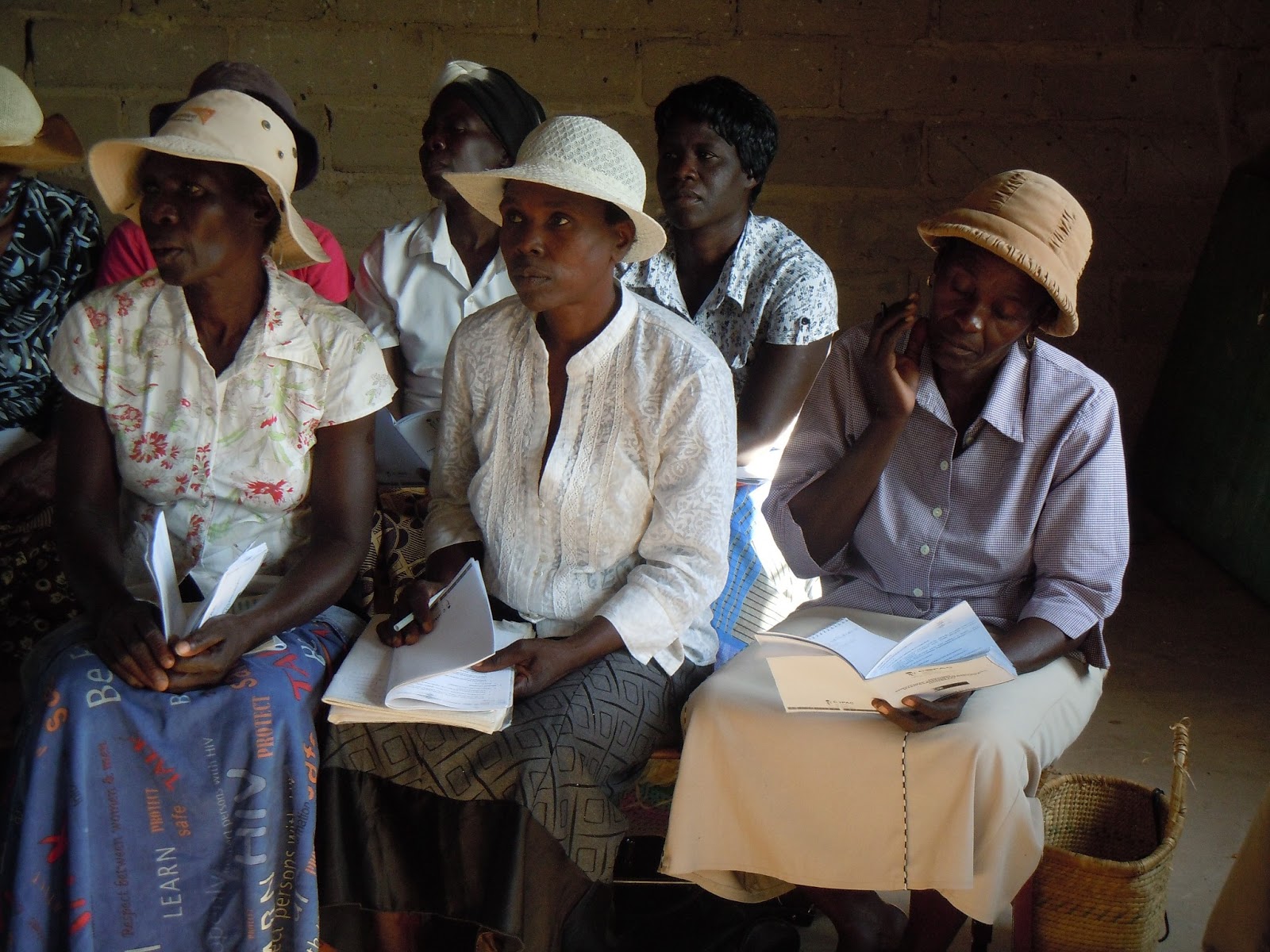
1 OUT OF 14 GWANDA VILLAGERS HAVE SEEN THE DRAFT CONSTITUTION


 Habakkuk Trust has established that on estimate, an average of 1 out of 14 people have seen the actual draft constitution.
During the Habakkuk Trust constitutional study circles, the organization undertook a survey to establish how many community leaders have seen or read the draft constitution. From Dambashoko and Datata out of a team of 23 members only one member of the community had the draft and others claimed to have seen it being carried by the Chief in a community meeting that was done a week back. The situation was the same in Zhukwe where out of 19 members, only one person had seen the draft constitution. Nkashe was no different, as it was ascertained by Habakkuk staff at another constitutional study circle that; from the 28 community leaders who attended the meeting, only 3 have had the privilege of seeing and reading the draft constitution.
In total in the last three days Habakkuk Trust has reached 70 rural community leaders through the constitutional study circles and only 5 of them had seen the draft constitution prior to Habakkuk Trust’s constitutional study circles.
Habakkuk Trust has established that on estimate, an average of 1 out of 14 people have seen the actual draft constitution.
During the Habakkuk Trust constitutional study circles, the organization undertook a survey to establish how many community leaders have seen or read the draft constitution. From Dambashoko and Datata out of a team of 23 members only one member of the community had the draft and others claimed to have seen it being carried by the Chief in a community meeting that was done a week back. The situation was the same in Zhukwe where out of 19 members, only one person had seen the draft constitution. Nkashe was no different, as it was ascertained by Habakkuk staff at another constitutional study circle that; from the 28 community leaders who attended the meeting, only 3 have had the privilege of seeing and reading the draft constitution.
In total in the last three days Habakkuk Trust has reached 70 rural community leaders through the constitutional study circles and only 5 of them had seen the draft constitution prior to Habakkuk Trust’s constitutional study circles.
Thursday, February 14, 2013
Decisive outcomes from Mangwe policy dialogue meeting
After intensive two day leadership training workshops held in 5 wards in Mangwe; Habakkuk Trust then held a Policy Dialogue meeting on Friday the 25th of January, at St Theresa in Plumtree in order to bring public officials to a round table discussion with community leaders from wards 2, 12, 8, 1 and 13; on how critical issues that affect those communities could be speedily solved.
Invited were the MPs for the relevant constituencies, Senator L Tapela, MP Mkhosi, Minister Moses Mzila Ndlovu; and officials from the Mangwe RDC, the Plumtree Town council, representatives of the department of education and the Environmental Management Agency.
Although Hon. Mkhosi could not be available, and officials from the town council were also a no show, the core of the Invited public officials and community leaders from the 5 wards concerned where sufficient to hear the communities’ problems deliberate on them and come out with stern resolutions.
The issues that were on discussion was the pollution of Matole dam(raw sewerage has been flowing into Matole dam from plumtree town and border post), Livestock confistication in Plumtree, the construction of a school to service ward 1 and 13, and the socio-economic and environmental effects of mining in ward 8.
The communities resolved to conduct peaceful defiance campaigns where Matole dam and the confistication of livestock are concerned if the relevant ministries do not address the issue by the 10th of February. With regards to the mining and education concerns, the community leaders have invited the education and the mining minister to come and engage with community on how their issues maybe best resolved.
The Matole dam issue has been unsolved for nearly 3 years, inspite of extensive lobby efforts by the community.
Ultimately the resolutions of the communities were decisive, and the People’s elected representatives, the MPs were tasked to take the letters the responsible ministers in the national executive.
As a result of the policy dialogue meeting, the Mangwe RDC and the Environmental Management Agency have agreed to endeavor to solve the issue of Matole dam being polluted.
Friday, May 4, 2012
IZIMNYAMA COMMUNITY TAKES DEVELOPMENT TO THEIR OWN HANDS
Habakkuk Trust
MANGWE: Izimnyama (Ward 12) community in Plumtree district lying in Matabeleland South Province has challenged most of the communities in Matabeleland Region by its development efforts. It has since proved to be a development oriented community, with a high potential of bringing positive change to the lives of its villagers. Lack of basic service delivery in the community is soon to be history, as the process of constructing a clinic and a recreational centre has already gathered momentum. The mobilization of resources has been done by the entire community with support from the local now based in the United Kingdom, South Africa and Botswana.
Resources like cement, bricks, barbed wire among other things have since been mobilized. The Ward 12 Councilor Mr. Edward Masisa Ndlovu told Habakkuk Trust that “Izimnyama community is development oriented with the capacity to drive own development issues through its local resources’’. The Councilor praised the community members for the effort they are showing in bringing their project to a success.
However the major challenge which is drawing back development processes is the unavailability of water. Councilor Ndlovu emphasized that, “water is generally our major problem in this area. However, we have since sourced a few water bowsers which will ferry water from Plumtree town”.
Councilor Masisa Ndlovu is part of the community members that received capacity building in advocacy and development facilitated by Habakkuk Trust in 2011. He was also trained by Habakkuk Trust on the concepts of citizen participation, development and peace-building together with other Mangwe Rural District Councilors in the same year. Currently, he and the Habakkuk Trust Ward 12 Community Advocacy Action Team have been instrumental in advocating for access to water in the area so as to ensure the smooth running of other community projects.
Tuesday, April 17, 2012
RECOMMENDATIONS FROM THE BULAWAYO WATER SUMMIT
On Friday 17 April 2012 Habakkuk Trust in conjunction with Shalom Project, NANGO Western Region and Intscha.com held a Water Summit to commemorate the 100 years of the dream for a Matabeleland Zambezi Water Project. Below are some of the recommendations from the breakfast meeting that was attended by various stakeholders who include among others civic society, business, and the academia.
• There is need for clarity on the operations and separation of powers between the Matabeleland Zambezi Water Trust and the National Matabeleland Zambezi Water Project,
• Clear separation of roles between the national government, the local authorities, National Matabeleland Zambezi Water Project and Matabeleland Zambezi Water Trust on the project,
• The Bulawayo City Council should consider other sources of water,
• There is clear explanations on the progress made at the Gwayi Shangani Dam and on the details of the deal the Minister of Water Resources and Development has struck with the Chinese,
• All the responsible authorities should come up clean on the costs involved in drawing water from Gwayi Shangani and the Zambezi and the true implications of the project,
• The petition that is being circulated should be handed over to the Minister,
• Formulation of clear sources of funding for the project,
• Civic society should facilitate the formulation of a Matabeleland Declaration on Water that is going to guide the timelines on the completion of the project,
• Bulawayo City Council should speed of the duplication of the Insiza Pipeline
Habakkuk Trust shall continue its advocacy work on access to clean water for all and shall continue to lobby various stakeholders on the issue.
• There is need for clarity on the operations and separation of powers between the Matabeleland Zambezi Water Trust and the National Matabeleland Zambezi Water Project,
• Clear separation of roles between the national government, the local authorities, National Matabeleland Zambezi Water Project and Matabeleland Zambezi Water Trust on the project,
• The Bulawayo City Council should consider other sources of water,
• There is clear explanations on the progress made at the Gwayi Shangani Dam and on the details of the deal the Minister of Water Resources and Development has struck with the Chinese,
• All the responsible authorities should come up clean on the costs involved in drawing water from Gwayi Shangani and the Zambezi and the true implications of the project,
• The petition that is being circulated should be handed over to the Minister,
• Formulation of clear sources of funding for the project,
• Civic society should facilitate the formulation of a Matabeleland Declaration on Water that is going to guide the timelines on the completion of the project,
• Bulawayo City Council should speed of the duplication of the Insiza Pipeline
Habakkuk Trust shall continue its advocacy work on access to clean water for all and shall continue to lobby various stakeholders on the issue.
Thursday, April 12, 2012
WATER SUMMIT SET FOR TOMORROW
By Habakkuk Trust Information Department
100 years on, the Matabeleland Zambezi Water Project is still without progress in commencing the scheme which is seen as the salvation to the perennial Matabeleland and Bulawayo water woes; civic society in Bulawayo has decided to tackle the issue head own through a breakfast water summit to be held on Friday 13 April 2012.
The organizations, Habakkuk Trust, Shalom Project Trust, INTSCHA.COM and NANGO Western Region have sought to use the breakfast meeting which will convene key leaders from the region to:
• To assess the challenges and obstacles in accessing funding for Bulawayo’s water woes,
• Advocate for the speedy implementation of the Matabeleland Zambezi Water Project, and
• Formulate strategies of ensuring that the project is implemented.
The breakfast meeting shall be guided by key presentations from the Permanent Secretary in the Ministry of Water Resources and Development; the President of the Commercial Farmers Union of Zimbabwe; the Bulawayo City Council Engineer and representatives of the Matabeleland Zambezi Water Project among other stakeholders.
100 years on, the Matabeleland Zambezi Water Project is still without progress in commencing the scheme which is seen as the salvation to the perennial Matabeleland and Bulawayo water woes; civic society in Bulawayo has decided to tackle the issue head own through a breakfast water summit to be held on Friday 13 April 2012.
The organizations, Habakkuk Trust, Shalom Project Trust, INTSCHA.COM and NANGO Western Region have sought to use the breakfast meeting which will convene key leaders from the region to:
• To assess the challenges and obstacles in accessing funding for Bulawayo’s water woes,
• Advocate for the speedy implementation of the Matabeleland Zambezi Water Project, and
• Formulate strategies of ensuring that the project is implemented.
The breakfast meeting shall be guided by key presentations from the Permanent Secretary in the Ministry of Water Resources and Development; the President of the Commercial Farmers Union of Zimbabwe; the Bulawayo City Council Engineer and representatives of the Matabeleland Zambezi Water Project among other stakeholders.
MATOBO WARD 4 ADVOCACY ACTION TEAM SET
On Tuesday 10 April 2012, 42 participants who attended the Habakkuk Trust Local Level Advocacy Training programme earlier this year in Matobo Ward 4, convened at the ward centre to elect their 25 member community advocacy action team.
This action team is set to be instrumental in pursuing advocacy on issues of access to clean water, and access to health facilities through the construction of a community clinic.
Currently the community advocacy team is researching thoroughly on the two advocacy issues in preparation for a community consensus building meeting and a policy dialogue meeting.
This action team is set to be instrumental in pursuing advocacy on issues of access to clean water, and access to health facilities through the construction of a community clinic.
Currently the community advocacy team is researching thoroughly on the two advocacy issues in preparation for a community consensus building meeting and a policy dialogue meeting.
Tuesday, March 27, 2012
DIMAF FIASCO HURTING RESIDENTS
By Habakkuk Trust Information Department
Bulawayo: As the chaos and political machinations surrounding the disbursements of the Distressed Industries and ,Marginalized Areas Fund continue unabated, the Habakkuk Trust Community Advocacy Action Teams have added their voice calling for the immediate disbursements of the funds as de-industrialization is hurting ordinary citizens.
According to an Opinion Poll carried by carried by Habakkuk Trust most Advocacy Actions have described the continued confusions surrounding DIMAF as both selfish and uncalled for. Vusumuzi Mpofu from Entumbane lamented that ‘this chaos around DIMAF is hurting us the ordinary citizens as we are the ones who are unemployed. It is unfortunately that they (government) are delaying with these monies at a time when we are hungry and they are full’. His sentiments were echoed by Ethel from Sizinda who questioned the genuinety and motive behind delays in disbursing the funds saying ‘these leaders should start having the people at heart and speedily ensure that DIMAF is channeled to deserving industries immediately’.
Another resident Siboniso Mabhena from Makokoba called for all stakeholders involved in the DIMAF process to ‘stop bickering and start creating employment for the people of Bulawayo so as to curb unemployment, crime and vice in the City’. Speaking on the same DIMAF issue Joseph Ndlovu from Nketa stressed that ‘DIMAF was meant for Bulawayo industries. Government and the banks concerned should simple keep the promise, disburse the monies and stop hiding behind systems that do not work’. Glander Nyoni from Gwabalanda also questioned if the current bickering on DIMAF is at the best interest of the people or the politicians and if this bickering is helping alleviate the plight of Bulawayo residents?
The Distressed Industries and Marginalized Areas Fund (DIMAF) is a government fund that was created by cabinet in 2011 to help cushion and curb massive de-industrialization in Bulawayo. Since the fund came to effect there has been a lot of bickering, machinations, blame game and debate on the fund. Bulawayo industries have been complaining that the stringent systems being set by the financial institution administering the fund makes it difficult for the distressed companies to access the fund. Recently the Minister of Industry and Commerce revealed that most Bulawayo firms who deserve to benefit from the fund were finding it difficult to do so. Shockingly though was the Minister’s revelation that one company that benefited $1million from the fund is using the bulk of the money for the rehabilitation of its Harare branch.
Habakkuk Trust shall continue to monitor the developments surrounding DIMAF as well as advocating for fairness, transparency, accountability and equity in the disbursements of the fund.
Bulawayo: As the chaos and political machinations surrounding the disbursements of the Distressed Industries and ,Marginalized Areas Fund continue unabated, the Habakkuk Trust Community Advocacy Action Teams have added their voice calling for the immediate disbursements of the funds as de-industrialization is hurting ordinary citizens.
According to an Opinion Poll carried by carried by Habakkuk Trust most Advocacy Actions have described the continued confusions surrounding DIMAF as both selfish and uncalled for. Vusumuzi Mpofu from Entumbane lamented that ‘this chaos around DIMAF is hurting us the ordinary citizens as we are the ones who are unemployed. It is unfortunately that they (government) are delaying with these monies at a time when we are hungry and they are full’. His sentiments were echoed by Ethel from Sizinda who questioned the genuinety and motive behind delays in disbursing the funds saying ‘these leaders should start having the people at heart and speedily ensure that DIMAF is channeled to deserving industries immediately’.
Another resident Siboniso Mabhena from Makokoba called for all stakeholders involved in the DIMAF process to ‘stop bickering and start creating employment for the people of Bulawayo so as to curb unemployment, crime and vice in the City’. Speaking on the same DIMAF issue Joseph Ndlovu from Nketa stressed that ‘DIMAF was meant for Bulawayo industries. Government and the banks concerned should simple keep the promise, disburse the monies and stop hiding behind systems that do not work’. Glander Nyoni from Gwabalanda also questioned if the current bickering on DIMAF is at the best interest of the people or the politicians and if this bickering is helping alleviate the plight of Bulawayo residents?
The Distressed Industries and Marginalized Areas Fund (DIMAF) is a government fund that was created by cabinet in 2011 to help cushion and curb massive de-industrialization in Bulawayo. Since the fund came to effect there has been a lot of bickering, machinations, blame game and debate on the fund. Bulawayo industries have been complaining that the stringent systems being set by the financial institution administering the fund makes it difficult for the distressed companies to access the fund. Recently the Minister of Industry and Commerce revealed that most Bulawayo firms who deserve to benefit from the fund were finding it difficult to do so. Shockingly though was the Minister’s revelation that one company that benefited $1million from the fund is using the bulk of the money for the rehabilitation of its Harare branch.
Habakkuk Trust shall continue to monitor the developments surrounding DIMAF as well as advocating for fairness, transparency, accountability and equity in the disbursements of the fund.
Tuesday, March 20, 2012
UPDATE FROM THE TREASON TRIAL IN BULAWAYO
By Information Department
The three members of the secessionist group, Mthwakazi Liberation Front, who are jointly facing treason trial, appeared in the Bulawayo High Court yesterday (Monday 20 March 2012). The three Paul Siwela, John Gazi and Charles Thomas are being charged with distributing subversive material that is deemed to have been aimed at inciting the people of Zimbabwe or a section thereof to overthrow a legitimate government and create a separate Mthwakazi state.
Yesterday 2 out of 11 key state witnesses were cross examined and they both failed to identify the accused persons.
The packed High Court gallery was treated to a fun filled court session as the state prosecutor seemed to be struggling to get his details on track. At one time he announced that the three are facing charges of murder and at one moment the judge told him that ‘it seems you do not know what you are reading’.
The case continues today at the High Court of Bulawayo.
The three members of the secessionist group, Mthwakazi Liberation Front, who are jointly facing treason trial, appeared in the Bulawayo High Court yesterday (Monday 20 March 2012). The three Paul Siwela, John Gazi and Charles Thomas are being charged with distributing subversive material that is deemed to have been aimed at inciting the people of Zimbabwe or a section thereof to overthrow a legitimate government and create a separate Mthwakazi state.
Yesterday 2 out of 11 key state witnesses were cross examined and they both failed to identify the accused persons.
The packed High Court gallery was treated to a fun filled court session as the state prosecutor seemed to be struggling to get his details on track. At one time he announced that the three are facing charges of murder and at one moment the judge told him that ‘it seems you do not know what you are reading’.
The case continues today at the High Court of Bulawayo.
REHABILITATION OF MANGWE BOREHOLES ON COURSE
By Information Department
The social impact of the Mangwe water project, which shall see a total of 28 defunct boreholes being rehabilitated, is tremendous; it has breathed life into the rural communities of Ward 1 and 13 in Mangwe.
In primary schools where boreholes have been rehabilitated like Mkhaya Primary School for example, the school’s newly found vivacity is evident for everyone to see. Children who once struggled to concentrate in class or participate in extra mural activities because of exhaustion from walking long distances to and from school without proper hydration can now be seen playing sport with great enthusiasm and joy. Their teachers do confirm that the classroom environment is filled with pleasure and productivity. Importantly too, is that sanitation in the school is now up to standard, and looming health crisis has been averted.
Ultimately, in yet another year of poor rainfall in the Matabeleland South region the rehabilitation of boreholes has been a timely intervention. The rehabilitation of boreholes has shared the load on water points that are stressed by over use and the lowering of the underground water table, especially during the dry season. The villagers now expect to go through the dry season with an adequate supply of clean and safe water.
The contribution of Habakkuk Trust Advocacy Action Teams on the project is stellar and selfless, and they have shown that they now possess the skills and aptitude to pursue bigger advocacy and development issues in their region such as irrigation projects, dam rehabilitation and utilization, the pressing issue of pastoral rights and grazing land as well as key decision and governance issues.
The social impact of the Mangwe water project, which shall see a total of 28 defunct boreholes being rehabilitated, is tremendous; it has breathed life into the rural communities of Ward 1 and 13 in Mangwe.
In primary schools where boreholes have been rehabilitated like Mkhaya Primary School for example, the school’s newly found vivacity is evident for everyone to see. Children who once struggled to concentrate in class or participate in extra mural activities because of exhaustion from walking long distances to and from school without proper hydration can now be seen playing sport with great enthusiasm and joy. Their teachers do confirm that the classroom environment is filled with pleasure and productivity. Importantly too, is that sanitation in the school is now up to standard, and looming health crisis has been averted.
Ultimately, in yet another year of poor rainfall in the Matabeleland South region the rehabilitation of boreholes has been a timely intervention. The rehabilitation of boreholes has shared the load on water points that are stressed by over use and the lowering of the underground water table, especially during the dry season. The villagers now expect to go through the dry season with an adequate supply of clean and safe water.
The contribution of Habakkuk Trust Advocacy Action Teams on the project is stellar and selfless, and they have shown that they now possess the skills and aptitude to pursue bigger advocacy and development issues in their region such as irrigation projects, dam rehabilitation and utilization, the pressing issue of pastoral rights and grazing land as well as key decision and governance issues.
Wednesday, March 14, 2012
NO DEVOLUTION – NO CONSTITUTION: BULAWAYO RESIDENTS
Habakkuk Trust Information Department
Bulawayo residents have vowed that they will not vote for a draft constitution that does not guarantee the devolution of political and administrative power to the provinces.
According to a survey conducted by Habakkuk Trust Information Department on the 14th of March 2012, residents from across the City said they wanted devolution of power to be in the constitution and will vote ‘no’ for a draft constitution that does not have devolution of power. ‘When people went for the Copac Outreach process, they spoke openly that they want devolution of power and Copac and the Government of Zimbabwe should ensure that devolution is given to the people’, said Mr. Joseph Ndlovu from Nketa. His sentiments were further echoed by Ms Siboniso Mabhena from Makokoba who observed that ‘without devolution of power, there is no need for a new constitution’.
Mr. Vusumuzi Mpofu from Entumbane refused that devolution of power will divide Zimbabweans on ethnic lines saying ‘the truth is that currently Zimbabweans are heavily divided along tribal and ethnic lines. Devolution of power seeks to address the root causes of what has divided us’. This was supported by Miss Glenda Ncube from Gwabalanda who also observed that ‘devolution is a form of healing and I don’t see it dividing people at all’. A Sizinda resident, Ms Ethel Banda reiterated that ‘it is not cast in stone that devolution will divide people’ suggesting that since the centralized system of government have proven to promote tribalism and racial discrimination maybe devolution can be the solution to the problem.
Bulawayo residents have vowed that they will not vote for a draft constitution that does not guarantee the devolution of political and administrative power to the provinces.
According to a survey conducted by Habakkuk Trust Information Department on the 14th of March 2012, residents from across the City said they wanted devolution of power to be in the constitution and will vote ‘no’ for a draft constitution that does not have devolution of power. ‘When people went for the Copac Outreach process, they spoke openly that they want devolution of power and Copac and the Government of Zimbabwe should ensure that devolution is given to the people’, said Mr. Joseph Ndlovu from Nketa. His sentiments were further echoed by Ms Siboniso Mabhena from Makokoba who observed that ‘without devolution of power, there is no need for a new constitution’.
Mr. Vusumuzi Mpofu from Entumbane refused that devolution of power will divide Zimbabweans on ethnic lines saying ‘the truth is that currently Zimbabweans are heavily divided along tribal and ethnic lines. Devolution of power seeks to address the root causes of what has divided us’. This was supported by Miss Glenda Ncube from Gwabalanda who also observed that ‘devolution is a form of healing and I don’t see it dividing people at all’. A Sizinda resident, Ms Ethel Banda reiterated that ‘it is not cast in stone that devolution will divide people’ suggesting that since the centralized system of government have proven to promote tribalism and racial discrimination maybe devolution can be the solution to the problem.
Friday, February 10, 2012
REHABILITATION OF MANGWE BOREHOLES BEGINS
By Information Department
The mood is euphoric, the excitement is soaring, the atmosphere is heavily saturated with hope and happiness and the script resembles Nelson Mandela’s Long Walk to Freedom. From the advocacy training in 2007 to the policy dialogue, numerous public meetings, the research on the state of boreholes and water points, a number of advocacy meetings with key stakeholders, linking to the Rural Partners Indaba, the training of pump minders and the resuscitation of water point committees; it has been indeed a long, tedious, frustrating but fruitful walk for water freedom in Mangwe ward 1 and 13 communities.
Courtesy of funding support from the Australian Embassy, Habakkuk Trust has contracted a service provider to rehabilitate 23 boreholes in Mangwe ward 1 and 13 and an estimated population of 1 200 villagers shall benefit from the exercise. This will bring to logical conclusion the advocacy issue that the community advocacy teams in the area have been pursuing for the past 5 years. The Habakkuk Trust staff that accompanied the service provider to the community reports that the Advocacy teams on Wednesday 08 February 2012) organized community meetings where they briefed the community of the success and also introduced the service provider. The advocacy teams also sought community support in the project.
Habakkuk Trust have been advocating for access to clean water in Mangwe, Bulawayo and other parts of the Matabeleland Region. Four years ago (in 2008) at the Water Indaba that was organized by Habakkuk Trust, a water expert presented a paper suggesting that linking there is need for increased water pumping Inyankuni to Ncema dam to augment the Bulawayo’s water supply, a proposition that the local authority has since adopted and implemented through the Inyankuni – Ncema water works duplication pipeline.
The mood is euphoric, the excitement is soaring, the atmosphere is heavily saturated with hope and happiness and the script resembles Nelson Mandela’s Long Walk to Freedom. From the advocacy training in 2007 to the policy dialogue, numerous public meetings, the research on the state of boreholes and water points, a number of advocacy meetings with key stakeholders, linking to the Rural Partners Indaba, the training of pump minders and the resuscitation of water point committees; it has been indeed a long, tedious, frustrating but fruitful walk for water freedom in Mangwe ward 1 and 13 communities.
Courtesy of funding support from the Australian Embassy, Habakkuk Trust has contracted a service provider to rehabilitate 23 boreholes in Mangwe ward 1 and 13 and an estimated population of 1 200 villagers shall benefit from the exercise. This will bring to logical conclusion the advocacy issue that the community advocacy teams in the area have been pursuing for the past 5 years. The Habakkuk Trust staff that accompanied the service provider to the community reports that the Advocacy teams on Wednesday 08 February 2012) organized community meetings where they briefed the community of the success and also introduced the service provider. The advocacy teams also sought community support in the project.
Habakkuk Trust have been advocating for access to clean water in Mangwe, Bulawayo and other parts of the Matabeleland Region. Four years ago (in 2008) at the Water Indaba that was organized by Habakkuk Trust, a water expert presented a paper suggesting that linking there is need for increased water pumping Inyankuni to Ncema dam to augment the Bulawayo’s water supply, a proposition that the local authority has since adopted and implemented through the Inyankuni – Ncema water works duplication pipeline.
Wednesday, January 25, 2012
ACCESSTO WATER AND BASIC HEALTH HAUNTS MATOBO VILLAGERS
(25 January 2012)
Their life is now nomadic. They travel long distances literally on a daily basis not in search of pastures or fertile farming lands like the Masayi or the San communities of yesteryear. Theirs is the quest for access to clean water and basic health facilities. Unlike the Masayi and the San who used to settle where they have found their pastures and arable lands, the people of Ward 4 in Matobo have to comprehend the scorching heat and rough terrain to and from the sources of water and health.
Access to Health
Villagers who spoke to Habakkuk Trust during the advocacy workshop conducted at Edwaleni primary school on Tuesday revealed that they travel upto 30km to access the nearest clinic as there is no such facility within the ward. ‘Some villagers die before even reaching the clinic as it is far and there is no easy access to transport’ revealed Mrs. Gracious Ncube, a village secretary. Another lady villager who is a village health worker explained that maternal health is heavily compromised as some pregnant women need specialist attention during delivery.
The Councilor of the ward, Councilor Sibangani Ncube also explained that people living with HIV and AIDS are facing a great risk as ‘some of them need counseling but they are not able to access such services’. To evade defaulting, most of then ask the Councilor whenever he is going to Maphisa Centre to refill their Anti-Retroviral Therapy.
Access to water
Villager also lamented lack of government efforts in addressing their water needs. A village head who spoke on condition of anonymity complained that ‘since independence we have been reporting to the relevant authorities year in and year out that access to water is a major challenge in this area, but they have done literally nothing about it’. Reports from all the seven villages in the ward revealed that there are few boreholes and dams in the area. Most of the boreholes were drilled long back and the dams have now silted. ‘It’s true most of the boreholes in this area are actually older than me hence the incessant breakdown,’ explained the 37 year old Councilor.
Sibonisiwe Ndlovu from Mashumba village explained that the village used to survive from a borehole within a nearby school but since the borehole has now broken down, the school is at the brink of closure as teachers are complaining of uninhabitable conditions.
Issues of access to water and health are not only peculiar to Matobo ward 4 only. Habakkuk Trust has in the past 6 years been assisting communities in Gwanda, Tsholotsho, Mangwe, Matobo and Bulawayo to advocate on such issues. Major advocacy successes have been realized in some areas, though more holistic and permanent solutions need to be implemented. The Policy dialogue meeting on water that was held in Mangwe in December 2011 resolved that there is need of a comprehensive national water policy guarantying every citizen access to accessible clean water on a daily basis. It was also resolved that Matabeleland South need to be declared a water shortage area and adequate government resource allocations and special measures be availed to solve the problem.
Their life is now nomadic. They travel long distances literally on a daily basis not in search of pastures or fertile farming lands like the Masayi or the San communities of yesteryear. Theirs is the quest for access to clean water and basic health facilities. Unlike the Masayi and the San who used to settle where they have found their pastures and arable lands, the people of Ward 4 in Matobo have to comprehend the scorching heat and rough terrain to and from the sources of water and health.
Access to Health
Villagers who spoke to Habakkuk Trust during the advocacy workshop conducted at Edwaleni primary school on Tuesday revealed that they travel upto 30km to access the nearest clinic as there is no such facility within the ward. ‘Some villagers die before even reaching the clinic as it is far and there is no easy access to transport’ revealed Mrs. Gracious Ncube, a village secretary. Another lady villager who is a village health worker explained that maternal health is heavily compromised as some pregnant women need specialist attention during delivery.
The Councilor of the ward, Councilor Sibangani Ncube also explained that people living with HIV and AIDS are facing a great risk as ‘some of them need counseling but they are not able to access such services’. To evade defaulting, most of then ask the Councilor whenever he is going to Maphisa Centre to refill their Anti-Retroviral Therapy.
Access to water
Villager also lamented lack of government efforts in addressing their water needs. A village head who spoke on condition of anonymity complained that ‘since independence we have been reporting to the relevant authorities year in and year out that access to water is a major challenge in this area, but they have done literally nothing about it’. Reports from all the seven villages in the ward revealed that there are few boreholes and dams in the area. Most of the boreholes were drilled long back and the dams have now silted. ‘It’s true most of the boreholes in this area are actually older than me hence the incessant breakdown,’ explained the 37 year old Councilor.
Sibonisiwe Ndlovu from Mashumba village explained that the village used to survive from a borehole within a nearby school but since the borehole has now broken down, the school is at the brink of closure as teachers are complaining of uninhabitable conditions.
Issues of access to water and health are not only peculiar to Matobo ward 4 only. Habakkuk Trust has in the past 6 years been assisting communities in Gwanda, Tsholotsho, Mangwe, Matobo and Bulawayo to advocate on such issues. Major advocacy successes have been realized in some areas, though more holistic and permanent solutions need to be implemented. The Policy dialogue meeting on water that was held in Mangwe in December 2011 resolved that there is need of a comprehensive national water policy guarantying every citizen access to accessible clean water on a daily basis. It was also resolved that Matabeleland South need to be declared a water shortage area and adequate government resource allocations and special measures be availed to solve the problem.
Tuesday, December 6, 2011
BULAWAYO CITY COUNCIL ADOPTS HABAKKUK TRUST SUBMISSION PAPER
By Khumbulani Maphosa
Bulawayo - The Bulawayo City Council has agreed to implement some recommendations that were tabled by Habakkuk Trust and NANGO western Region at an advocacy meeting on the proposed 2012 City Council Budget.
Addressing delegates at the advocacy meeting that was held on Tuesday 29 November 2011 in Bulawayo, The local authority’s Financial Director Mr. Kimpton Ndimande pledged that:
• The local authority does not have any plan of dealing with issues pertaining to people with disabilities and would appreciate NGO intervention and assistance in that regard,
• Council is willing to avail the proposed budget at convenient places like Housing offices but people should be encouraged to make use of them so that it does not end up being waste of resources,
• Council acknowledges that it has only consulted during budget formulation and not during auditing. However, Council is concerned that the audit is a technical exercise and Council will welcome input of NGOs on the concept of social audits.
• Council endeavors to provide housing for its residents and in 2012 Council is going to open up affordable stands,
• The local authority has since terminated contracting private land developers as they tend to be corrupt and have sub-standard work,
• Council shall look at possible sources of income to finance its activities though; donor funding is dwindling fast due to the global financial crisis.
• An audit has been made by Council on its properties and viability of its Small Business Units.
• The “work for debt” concept has since been introduced by the local authority. However to limit political manipulation and abuse of the system, the council has been doing it at a small scale and will look at up scaling it.
• Council is willing to improve the welfare of informal traders however there are national level legislative frameworks that inhibit the smooth implementation of some council efforts. For instance Operation Murambatsvina affected the Council’s 5th Avenue project and now when Council wishes to block a street it has to apply.
The 29 November advocacy meeting was a follow up to the 18th November stakeholders budget analysis meeting which came out with a 21 point submission paper.
LACK OF CLEAN WATER AFFECTING SCHOOLING IN KEZI
By Odiya Shumba
Matobo - School children in Kezi Ward 8 are carrying drinking water to school every day due to lack of clean water for domestic use in the area. This came out at a community consensus building meeting organized by Habakkuk Trust Kezi Ward 8 Advocacy Action Team. This crucial meeting was held on the 29th of November 2011 at Bidi Ward centre.
“Our young Primary school children are carrying 5litres of drinking water to school every day and on top of that they pay 5Rands for Borehole rehabilitation” lamented Mr. Peter Ndlovu, the Advocacy Team Convener. This is clear evidence of the negative impact of acute water shortages in Kezi Ward 8 and Matabeleland South Province as a whole. One of the villagers who was in agreement with Peter Ndlovu added that teachers at one of the Secondary schools in the Ward Mqabuko High school left due to lack of water resulting in the abrupt closure of the school.
Access to clean water remains one of the critical issues being faced by communities in Matabeleland North and South where Habakkuk Trust currently operates in. According to villagers most dams in Ward 8 have since dried up due to siltation and the available dip wells have also dried up due to the lowered water table. The existing boreholes are being over used resulting in incessant break downs which take time to be repaired as there is acute shortage of repair kits.
The community therefore called for the urgent need to repair the broken down water points, installing more windmill water points in the ward as the available one used to work well during its time. The community has also done an in-depth research on the water issue and has realized that there is a survey that was done on the possible water points in the community and wants the finding results of the survey to be implemented.
THERE IS URGENT NEED FOR A WATER DCEVELOPMENT RESOURCE DEVELOPOMENT PLAN
By Khumbulani Maphosa
Mangwe – the Mangwe ward 2 and 12 Habakkuk Trust advocacy action teams with other community stakeholders have called for the urgent development and subsequent implementation of a water resource development plan to curb water shortage problems in the Mangwe District and other parts of Matabeleland.
This came out during a water policy dialogue meeting held at Plumtree on the 30th of November 2011 and attended by among the advocacy teams, the Minister of National Healing and Reconciliation (who is also the Bulilima West M.P) Honorable Moses Mzila Ndlovu, the Zimbabwe National Water Authority (ZINWA) UMzingwane Catchment Operations Engineer, the District Development Fund (DDF) Accountant, the Mangwe Rural District Council (RDC) Chairperson, the Plumtree and Mangwe business community and local civic society.
The policy meeting that was organized by Habakkuk Trust in conjunction with a local daily newspaper, Newsday, resolved the following measurers as key issues of implementation to alleviate the water shortage situation in the region:
• The urgent need for a national water policy which guarantees the citizens of Zimbabwe adequate clean water on a daily basis,
• Matabeleland South should be declared to be a water shortage area and subsequent adequate fiscal and resource interventions from government and private sector be availed,
• The need for a water resource development plan that will put to an end the interventionist approach of water supply in the district,
• DDF pledged to drill one borehole in ward 2 in 2012. DDF further reported that another NGO, CADEC has also pledged to drill one borehole in ward 2 in 2012,
• There is need for closer interactions and collaborations between government departments,
• Villagers want ZINWA to remit a certain percentage of the revenue it collects from pumping water (that is supplied by dams in ward 2 and 12) into Plumtree town back to the community,
• Residents are willing to offer manpower if ZINWA pledges to scoop all the silted dams in the area,
• ZINWA to live to its jurisdiction over all bulk water and test water in all dams not only water in the dams that supply Plumtree town,
The Policy Dialogue meeting is a follow up to the advocacy capacity building and subsequent community consensus building meetings done by Habakkuk Trust in Mangwe ward 2 and 12.
GOVERNMENT BEHAVING LIKE A DRUNKARD: MINISTER
By Khumbulani Maphosa
Plumtree - The government of Zimbabwe is behaving like a drunken man who does not differentiate his left foot from his right foot and has no well defined travel arrangement though he knows where he is supposed to be going.
This was said by the Minister of National Healing and Reconciliation and Member of Parliament for Bulilima West, Honorable Moses Mzila Ndlovu when delegates at an advocacy meeting in Plumtree on the 30th of November 2011.
Hon. Mzila, a vocal advocate for justice and healing in the country, lamented how the government lacks a coherent and well defined strategy of dealing with past human rights violations and ethnic injustices. He further lambasted the country’s security apparatus for victimizing him when he openly speaks about the injustices that happened and continue to happen in Matabeleland.
‘I was arrested, beaten and incarcerated by the police for having openly spoken out about the problems of Matabeleland, ” revealed Minister Mzila.
Minister Mzila further lamented the gross underdevelopment of the Matabeleland region due to the Gukurahundi era and further lack of commitment by the government to equalize development in the country. He called for the government to adopt deliberate strategies to develop Matabeleland if the issue of national healing is to be realized in then region.
By Khumbulani Maphosa
Bulawayo - The Bulawayo City Council has agreed to implement some recommendations that were tabled by Habakkuk Trust and NANGO western Region at an advocacy meeting on the proposed 2012 City Council Budget.
Addressing delegates at the advocacy meeting that was held on Tuesday 29 November 2011 in Bulawayo, The local authority’s Financial Director Mr. Kimpton Ndimande pledged that:
• The local authority does not have any plan of dealing with issues pertaining to people with disabilities and would appreciate NGO intervention and assistance in that regard,
• Council is willing to avail the proposed budget at convenient places like Housing offices but people should be encouraged to make use of them so that it does not end up being waste of resources,
• Council acknowledges that it has only consulted during budget formulation and not during auditing. However, Council is concerned that the audit is a technical exercise and Council will welcome input of NGOs on the concept of social audits.
• Council endeavors to provide housing for its residents and in 2012 Council is going to open up affordable stands,
• The local authority has since terminated contracting private land developers as they tend to be corrupt and have sub-standard work,
• Council shall look at possible sources of income to finance its activities though; donor funding is dwindling fast due to the global financial crisis.
• An audit has been made by Council on its properties and viability of its Small Business Units.
• The “work for debt” concept has since been introduced by the local authority. However to limit political manipulation and abuse of the system, the council has been doing it at a small scale and will look at up scaling it.
• Council is willing to improve the welfare of informal traders however there are national level legislative frameworks that inhibit the smooth implementation of some council efforts. For instance Operation Murambatsvina affected the Council’s 5th Avenue project and now when Council wishes to block a street it has to apply.
The 29 November advocacy meeting was a follow up to the 18th November stakeholders budget analysis meeting which came out with a 21 point submission paper.
LACK OF CLEAN WATER AFFECTING SCHOOLING IN KEZI
By Odiya Shumba
Matobo - School children in Kezi Ward 8 are carrying drinking water to school every day due to lack of clean water for domestic use in the area. This came out at a community consensus building meeting organized by Habakkuk Trust Kezi Ward 8 Advocacy Action Team. This crucial meeting was held on the 29th of November 2011 at Bidi Ward centre.
“Our young Primary school children are carrying 5litres of drinking water to school every day and on top of that they pay 5Rands for Borehole rehabilitation” lamented Mr. Peter Ndlovu, the Advocacy Team Convener. This is clear evidence of the negative impact of acute water shortages in Kezi Ward 8 and Matabeleland South Province as a whole. One of the villagers who was in agreement with Peter Ndlovu added that teachers at one of the Secondary schools in the Ward Mqabuko High school left due to lack of water resulting in the abrupt closure of the school.
Access to clean water remains one of the critical issues being faced by communities in Matabeleland North and South where Habakkuk Trust currently operates in. According to villagers most dams in Ward 8 have since dried up due to siltation and the available dip wells have also dried up due to the lowered water table. The existing boreholes are being over used resulting in incessant break downs which take time to be repaired as there is acute shortage of repair kits.
The community therefore called for the urgent need to repair the broken down water points, installing more windmill water points in the ward as the available one used to work well during its time. The community has also done an in-depth research on the water issue and has realized that there is a survey that was done on the possible water points in the community and wants the finding results of the survey to be implemented.
THERE IS URGENT NEED FOR A WATER DCEVELOPMENT RESOURCE DEVELOPOMENT PLAN
By Khumbulani Maphosa
Mangwe – the Mangwe ward 2 and 12 Habakkuk Trust advocacy action teams with other community stakeholders have called for the urgent development and subsequent implementation of a water resource development plan to curb water shortage problems in the Mangwe District and other parts of Matabeleland.
This came out during a water policy dialogue meeting held at Plumtree on the 30th of November 2011 and attended by among the advocacy teams, the Minister of National Healing and Reconciliation (who is also the Bulilima West M.P) Honorable Moses Mzila Ndlovu, the Zimbabwe National Water Authority (ZINWA) UMzingwane Catchment Operations Engineer, the District Development Fund (DDF) Accountant, the Mangwe Rural District Council (RDC) Chairperson, the Plumtree and Mangwe business community and local civic society.
The policy meeting that was organized by Habakkuk Trust in conjunction with a local daily newspaper, Newsday, resolved the following measurers as key issues of implementation to alleviate the water shortage situation in the region:
• The urgent need for a national water policy which guarantees the citizens of Zimbabwe adequate clean water on a daily basis,
• Matabeleland South should be declared to be a water shortage area and subsequent adequate fiscal and resource interventions from government and private sector be availed,
• The need for a water resource development plan that will put to an end the interventionist approach of water supply in the district,
• DDF pledged to drill one borehole in ward 2 in 2012. DDF further reported that another NGO, CADEC has also pledged to drill one borehole in ward 2 in 2012,
• There is need for closer interactions and collaborations between government departments,
• Villagers want ZINWA to remit a certain percentage of the revenue it collects from pumping water (that is supplied by dams in ward 2 and 12) into Plumtree town back to the community,
• Residents are willing to offer manpower if ZINWA pledges to scoop all the silted dams in the area,
• ZINWA to live to its jurisdiction over all bulk water and test water in all dams not only water in the dams that supply Plumtree town,
The Policy Dialogue meeting is a follow up to the advocacy capacity building and subsequent community consensus building meetings done by Habakkuk Trust in Mangwe ward 2 and 12.
GOVERNMENT BEHAVING LIKE A DRUNKARD: MINISTER
By Khumbulani Maphosa
Plumtree - The government of Zimbabwe is behaving like a drunken man who does not differentiate his left foot from his right foot and has no well defined travel arrangement though he knows where he is supposed to be going.
This was said by the Minister of National Healing and Reconciliation and Member of Parliament for Bulilima West, Honorable Moses Mzila Ndlovu when delegates at an advocacy meeting in Plumtree on the 30th of November 2011.
Hon. Mzila, a vocal advocate for justice and healing in the country, lamented how the government lacks a coherent and well defined strategy of dealing with past human rights violations and ethnic injustices. He further lambasted the country’s security apparatus for victimizing him when he openly speaks about the injustices that happened and continue to happen in Matabeleland.
‘I was arrested, beaten and incarcerated by the police for having openly spoken out about the problems of Matabeleland, ” revealed Minister Mzila.
Minister Mzila further lamented the gross underdevelopment of the Matabeleland region due to the Gukurahundi era and further lack of commitment by the government to equalize development in the country. He called for the government to adopt deliberate strategies to develop Matabeleland if the issue of national healing is to be realized in then region.
HABAKKUK TRUST ACTION TEAM MEMBERS THREATENED IN TSHOLOTSHO
A female Habakkuk Trust Advocacy Action Team member in Tsholotsho ward 5 (Siphepha) has been summoned to the local police station by the Inspector Zengeya for wearing a Habakkuk Trust t-shirt.
According to reliable sources from Siphepha, the lady (name withheld) who is a member of the neighborhood watch committee and an active Habakkuk Trust Advocacy team member left her home last Saturday to the local clinic (which is adjacent the police station). On her way to the clinic she met Inspector Zengeya who called her and cautioned her for wearing a Habakkuk Trust t-shirt as he claimed that ‘Habakkuk Trust is affiliated to MDC’.
Sources further explained that Zengeya further ordered the lady to report at the police station for further questioning.
The Habakkuk Trust Action team members in the ward have, however vowed to continue wearing their t-shirts as they know the organization is non-partisan.
Since the beginning of 2011 Habakkuk Trust has been faced with massive resistance from Tsholotsho following a Public Dialogue meeting on local resource management and beneficiation that was held at Tsholotsho in January 2011.
On the day of the public dialogue meeting, some senior local authority personnel did not turn up though they had confirmed their attendance prior. Soon after the meeting Habakkuk Trust staff members were told by the Tsholotsho Rural District Council Administration Officer that the organization shall be ejected from the district. The reasons for the ejection were not explained but seemed to be bordering on grounds of speculation. Since June 2011 Habakkuk Trust has been working on renewing its expired Memorandum of Understanding with the local authority but was told that it has to change its programming and focus on food aid and other relief work for the MOU to be renewed.
Habakkuk Trust has also had a public meeting stopped at Siphepha centre as the clearing officer castigated the organization for inciting people against their leaders.
On the 19TH of October 2011 Habakkuk Trust staff members who had gone to Siphepha centre for an action team meeting were unceremoniously forced to cancel the meeting by the Officer in Charge who claimed the meeting was not cleared. The team was further barred from distributing the Voice of Habakkuk Trust newsletter as the officer in charge deemed it to be politically inclined.
A female Habakkuk Trust Advocacy Action Team member in Tsholotsho ward 5 (Siphepha) has been summoned to the local police station by the Inspector Zengeya for wearing a Habakkuk Trust t-shirt.
According to reliable sources from Siphepha, the lady (name withheld) who is a member of the neighborhood watch committee and an active Habakkuk Trust Advocacy team member left her home last Saturday to the local clinic (which is adjacent the police station). On her way to the clinic she met Inspector Zengeya who called her and cautioned her for wearing a Habakkuk Trust t-shirt as he claimed that ‘Habakkuk Trust is affiliated to MDC’.
Sources further explained that Zengeya further ordered the lady to report at the police station for further questioning.
The Habakkuk Trust Action team members in the ward have, however vowed to continue wearing their t-shirts as they know the organization is non-partisan.
Since the beginning of 2011 Habakkuk Trust has been faced with massive resistance from Tsholotsho following a Public Dialogue meeting on local resource management and beneficiation that was held at Tsholotsho in January 2011.
On the day of the public dialogue meeting, some senior local authority personnel did not turn up though they had confirmed their attendance prior. Soon after the meeting Habakkuk Trust staff members were told by the Tsholotsho Rural District Council Administration Officer that the organization shall be ejected from the district. The reasons for the ejection were not explained but seemed to be bordering on grounds of speculation. Since June 2011 Habakkuk Trust has been working on renewing its expired Memorandum of Understanding with the local authority but was told that it has to change its programming and focus on food aid and other relief work for the MOU to be renewed.
Habakkuk Trust has also had a public meeting stopped at Siphepha centre as the clearing officer castigated the organization for inciting people against their leaders.
On the 19TH of October 2011 Habakkuk Trust staff members who had gone to Siphepha centre for an action team meeting were unceremoniously forced to cancel the meeting by the Officer in Charge who claimed the meeting was not cleared. The team was further barred from distributing the Voice of Habakkuk Trust newsletter as the officer in charge deemed it to be politically inclined.
Friday, October 7, 2011
RE-INDUSTRIALIZATION OF BULAWAYO TAKES SHAPE
The Habakkuk Trust advocacy work on the re-industrialization and development of the marginalized, underdeveloped and massively de-industrialized Matabeleland Region that culminated in a Matabeleland Leadership Summit held in Bulawayo in January 2011, has finally paid fruits as the Cabinet is reported to have agreed to have Bulawayo companies accessing funds under the USD40 million Distressed and Marginalized Areas Funds.
According to the Newsday 06 October 2011, the Cabinet has adopted a report entitled ‘Let Bulawayo Survive’. ‘This development will see collapsing companies in the region accessing $40 million Distressed and Marginalized Areas Fund’.
Habakkuk Trust has set the regional and national agenda on sustainable development of previously marginalized communities leading to a number of organizations and political parties subsequently buying into this Debate. The Summit that was organized by Habakkuk Trust in January was attended by Matabeleland Leaders who included 6 Cabinet Ministers, the Speaker of Parliament, Members of Parliament, Leaders of civic groups, Councilors, leaders of political formations, church leaders and leaders in the business and academic sectors. The Minister of Industry and Commerce Honorable Professor Welshman Ncube who also attended the meeting later became the Chairperson of a Cabinet Committee tasked with investigating the levels of de-industrialization in Bulawayo.
Habakkuk Trust will continue monitoring the actual implementation of this Cabinet decision and shall continue advocating for other national and local level issues.
According to the Newsday 06 October 2011, the Cabinet has adopted a report entitled ‘Let Bulawayo Survive’. ‘This development will see collapsing companies in the region accessing $40 million Distressed and Marginalized Areas Fund’.
Habakkuk Trust has set the regional and national agenda on sustainable development of previously marginalized communities leading to a number of organizations and political parties subsequently buying into this Debate. The Summit that was organized by Habakkuk Trust in January was attended by Matabeleland Leaders who included 6 Cabinet Ministers, the Speaker of Parliament, Members of Parliament, Leaders of civic groups, Councilors, leaders of political formations, church leaders and leaders in the business and academic sectors. The Minister of Industry and Commerce Honorable Professor Welshman Ncube who also attended the meeting later became the Chairperson of a Cabinet Committee tasked with investigating the levels of de-industrialization in Bulawayo.
Habakkuk Trust will continue monitoring the actual implementation of this Cabinet decision and shall continue advocating for other national and local level issues.
Tuesday, September 27, 2011
Gwanda Schools and Tsholotsho Clinic get buildinmg materials
Wilikisa Gets Cement Boost
Habakkuk Trust continues with its quest of linking advocacy and sustainable development, as the organisation sourced 71 bags of cement which were recently delivered to Wilikisa Primary school in Gwanda ward 2.
The cement is expected to be used for plastering a classroom block that was commissioned in July this year by the local Member of Parliament after Habakkuk Trust Action Team of the area had lobbied for funds to floor and roof the block through the Constituency Development Funds. Some of the cement will also be used for roofing toilets in the school.
It is now three years since the Gwanda Ward 2 Action Teams identified the dilapidated state of the schools and lack of adequate classrooms as the major advocacy issues. The Action Teams then took their issues to the policy dialogue and further lobbied other stakeholders to assist improve the schools. The Ward 2 community has tirelessly worked with the Action Team in providing manual labor towards the project.
Bethel Primary school receive building materials
The Bethel community in Gwanda Ward 14 also received cement and other construction materials that include asbestos sheets and roofing trusses which were sourced by Habakkuk Trust courtesy of the advocacy efforts of the Bethel Action Team on the issue of improvement of educational infrastructure in the area.
The community is expected to partner with the Action Team in implementing the actual construction of the classroom block providing manual and technical labor.
The Bethel Primary School project is the second project to be completed by Habakkuk Trust in ward 14 as the organization assisted the community, at Sengezane Village to electrify a clinic. This is inline with Habakkuk Trust’s vision of linking advocacy with sustainable development as well as seeing communities take a lead in initiating developmental processes in their areas.
Building of a health facility in Tsholotsho Ward 9 underway
The construction of a health institution at Tsholotsho Ward 9 is underway as Habakkuk Trust has sourced 94 bags for cement to the work that has been pioneered by the Action Team in conjunction with a local Community Based Organization – Jowa Development Trust.
Sofar the community has managed to mould 20 000 bricks with cement sourced through the Constituency Development Funds as when Habakkuk Trust made the delivery of 94 bags of cement at the beginning of September, the community was already at advanced stages of finishing digging the foundation of the clinic.
The cement will go towards the slab and foundation construction.
Habakkuk Trust continues with its quest of linking advocacy and sustainable development, as the organisation sourced 71 bags of cement which were recently delivered to Wilikisa Primary school in Gwanda ward 2.
The cement is expected to be used for plastering a classroom block that was commissioned in July this year by the local Member of Parliament after Habakkuk Trust Action Team of the area had lobbied for funds to floor and roof the block through the Constituency Development Funds. Some of the cement will also be used for roofing toilets in the school.
It is now three years since the Gwanda Ward 2 Action Teams identified the dilapidated state of the schools and lack of adequate classrooms as the major advocacy issues. The Action Teams then took their issues to the policy dialogue and further lobbied other stakeholders to assist improve the schools. The Ward 2 community has tirelessly worked with the Action Team in providing manual labor towards the project.
Bethel Primary school receive building materials
The Bethel community in Gwanda Ward 14 also received cement and other construction materials that include asbestos sheets and roofing trusses which were sourced by Habakkuk Trust courtesy of the advocacy efforts of the Bethel Action Team on the issue of improvement of educational infrastructure in the area.
The community is expected to partner with the Action Team in implementing the actual construction of the classroom block providing manual and technical labor.
The Bethel Primary School project is the second project to be completed by Habakkuk Trust in ward 14 as the organization assisted the community, at Sengezane Village to electrify a clinic. This is inline with Habakkuk Trust’s vision of linking advocacy with sustainable development as well as seeing communities take a lead in initiating developmental processes in their areas.
Building of a health facility in Tsholotsho Ward 9 underway
The construction of a health institution at Tsholotsho Ward 9 is underway as Habakkuk Trust has sourced 94 bags for cement to the work that has been pioneered by the Action Team in conjunction with a local Community Based Organization – Jowa Development Trust.
Sofar the community has managed to mould 20 000 bricks with cement sourced through the Constituency Development Funds as when Habakkuk Trust made the delivery of 94 bags of cement at the beginning of September, the community was already at advanced stages of finishing digging the foundation of the clinic.
The cement will go towards the slab and foundation construction.
Thursday, September 1, 2011
Zimnyama villagers walk for several kilometers to get water
By Habakkuk Trust Information Department
321 villagers convened at Zimnyama centre to attend a community meeting organized by Ward 2 Habakkuk Trust Area Action Team to solicit for community views and consensus on the key advocacy issues raised during an advocacy training workshop conducted by Habakkuk Trust two months back.
The elderly, the young, men and women alike braved the scorching heat of the natural region 5 weather to discuss issues concerning access to water and access medical care in the ward.
A unanimous decision was reached that access to water is the most critical issue in the ward as the area generally receives very low and erratic rainfall patterns, and there are few boreholes.
Though the clinic was one of the issues raised during the training workshop, community members concurred that access to water is the major issue as currently people are forced to travel upto 7km daily in search of water.
Testimonies from community members
Mrs. Ester Ndebele 71 years old from Vaka Village
The water situation is bad for us the old women because we do not have anyone to assist us fetch water from afar and we end up skipping meals because of lack of cooking and drinking water.
Mr. Robert Mahamba Ndlovu 44 years old from Mapulula 2 Village
Most of the boreholes in the village are malfunctioning and the only dam we have dried up sometime back. If the dam could be resurfaced and the boreholes repaired and sunk deeper it will save us a lot.
Miss Salome Ncube 26 years old from Sosombane Village
The situation is so hard that in some areas we are risking our lives trying to get water. The wells are now so deep that at anytime the sand call curve in and kill people drawing water. In pother areas we now use ladders to go down and access water.
Ms. Mavis Moyo 36 years old from Mapulula 2
We now get water from a neighboring ward and in the water points people end up fighting and this creates a lot of conflicts in the communities.
Mrs. Thokozile Songo 47 years old from Mapulula 1 Village
After children dismiss from school they are forced to travel long distances to get water and this affects their learning and studying times.
Even those that want to have projects, the projects can only run for 3 to 4 months during the rainy season after that they have to fold down.
There are 11 wells at Mapulula 1 village and of those 11 only 6 are functioning though they break down often, servicing about 140 homesteads
Mrs. Crista Ndlovu from Osabeni Village
In our village we get drinking water from the dam, sharing it with animals. The situation is so bad that we now reuse water especially bathing water is used twice.
Mr. Mayisa - Village Head
There is a pipe that runs from Mthunduluka dam to Vaka and Sosombane schools. That pipe needs to be repaired and the dam resurfaced. There are tanks in the communities that have the capacity to hold lots of water.
321 villagers convened at Zimnyama centre to attend a community meeting organized by Ward 2 Habakkuk Trust Area Action Team to solicit for community views and consensus on the key advocacy issues raised during an advocacy training workshop conducted by Habakkuk Trust two months back.
The elderly, the young, men and women alike braved the scorching heat of the natural region 5 weather to discuss issues concerning access to water and access medical care in the ward.
A unanimous decision was reached that access to water is the most critical issue in the ward as the area generally receives very low and erratic rainfall patterns, and there are few boreholes.
Though the clinic was one of the issues raised during the training workshop, community members concurred that access to water is the major issue as currently people are forced to travel upto 7km daily in search of water.
Testimonies from community members
Mrs. Ester Ndebele 71 years old from Vaka Village
The water situation is bad for us the old women because we do not have anyone to assist us fetch water from afar and we end up skipping meals because of lack of cooking and drinking water.
Mr. Robert Mahamba Ndlovu 44 years old from Mapulula 2 Village
Most of the boreholes in the village are malfunctioning and the only dam we have dried up sometime back. If the dam could be resurfaced and the boreholes repaired and sunk deeper it will save us a lot.
Miss Salome Ncube 26 years old from Sosombane Village
The situation is so hard that in some areas we are risking our lives trying to get water. The wells are now so deep that at anytime the sand call curve in and kill people drawing water. In pother areas we now use ladders to go down and access water.
Ms. Mavis Moyo 36 years old from Mapulula 2
We now get water from a neighboring ward and in the water points people end up fighting and this creates a lot of conflicts in the communities.
Mrs. Thokozile Songo 47 years old from Mapulula 1 Village
After children dismiss from school they are forced to travel long distances to get water and this affects their learning and studying times.
Even those that want to have projects, the projects can only run for 3 to 4 months during the rainy season after that they have to fold down.
There are 11 wells at Mapulula 1 village and of those 11 only 6 are functioning though they break down often, servicing about 140 homesteads
Mrs. Crista Ndlovu from Osabeni Village
In our village we get drinking water from the dam, sharing it with animals. The situation is so bad that we now reuse water especially bathing water is used twice.
Mr. Mayisa - Village Head
There is a pipe that runs from Mthunduluka dam to Vaka and Sosombane schools. That pipe needs to be repaired and the dam resurfaced. There are tanks in the communities that have the capacity to hold lots of water.
Subscribe to:
Posts (Atom)